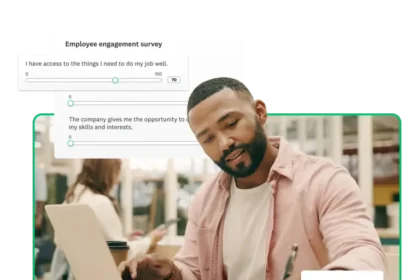



The Shift Toward Time as a Workplace Benefit
Across industries, a major shift is redefining what employees value most at work. Compensation and job titles still matter, but increasingly professionals are prioritizing time, flexibility, and control over their schedules. This change explains why time has become one of the most sought-after workplace benefits today.
- The Shift Toward Time as a Workplace Benefit
- Why Time Matters More Than Ever
- 1. Flexible Scheduling as a Productivity Driver
- 2. The Rise of the Compressed Workweek
- 3. Modern Approaches to Paid Time Off
- 4. Meeting-Free Time for Deep Work
- 5. Remote Work and Location Independence
- Leadership’s Role in Protecting Employee Time
- The Business Benefits of Time-Focused Workplaces
- Practical Steps Employers Can Take
- Turning Time into a Competitive Advantage
As hybrid work models evolve and digital tools make remote collaboration easier, organizations are realizing that giving employees greater control over their time can significantly improve engagement, productivity, and long-term retention.
For many companies, time has effectively become a new form of workplace currency—one that reflects trust, autonomy, and respect for employee wellbeing.
Why Time Matters More Than Ever
Modern work environments rarely switch off. Constant notifications, meetings, and deadlines blur the boundary between professional and personal life. In response, employees increasingly value workplaces that protect their time and allow them to maintain balance.
Organizations that respect employees’ time often see measurable benefits, including:
- Higher engagement levels
- Lower burnout rates
- Stronger employee loyalty
- Improved overall productivity
For companies competing for skilled talent, particularly in digital and technology-driven roles, time flexibility is becoming a decisive factor in recruitment.
1. Flexible Scheduling as a Productivity Driver
One of the most effective ways employers are addressing time flexibility is through flexible work schedules.
Instead of enforcing strict office hours, organizations allow employees to structure their workday around their most productive periods. Some professionals work best early in the morning, while others perform better later in the day.
By focusing on results rather than physical presence, companies encourage higher efficiency and reduce stress among employees.
Flexible scheduling also helps organizations reduce absenteeism while maintaining consistent productivity.
2. The Rise of the Compressed Workweek
Compressed workweeks are gaining popularity as an alternative approach to time flexibility. In this model, employees complete their full weekly workload in fewer days—often working four longer days instead of five standard ones.
This structure provides employees with extended personal time without reducing income or productivity.
Many organizations report that compressed schedules increase employee satisfaction and improve focus during working hours, as teams become more conscious of using their time efficiently.
3. Modern Approaches to Paid Time Off
Traditional leave policies are also evolving. Instead of rigid vacation tracking systems, some organizations are adopting more flexible paid time-off models.
Examples include:
- Unlimited paid time off policies
- Purpose-based leave for personal needs
- Mental health days
- Volunteer leave opportunities
These approaches demonstrate trust in employees while encouraging them to take time when they genuinely need it.
Well-rested employees often return to work more energized and focused, which ultimately benefits organizational performance.
4. Meeting-Free Time for Deep Work
Meetings can consume large portions of the workday and disrupt productivity. To address this challenge, many companies now designate meeting-free blocks or entire meeting-free days.
This approach allows employees to concentrate on deep, uninterrupted work. With fewer meetings interrupting their schedule, professionals can complete complex tasks more efficiently and make clearer decisions.
Organizations that adopt meeting-free policies often see improvements in workflow efficiency and employee satisfaction.
5. Remote Work and Location Independence
Remote and hybrid work models are another major factor in the growing value of time-based benefits.
Eliminating daily commutes can save employees several hours each week. That reclaimed time can be used for professional development, personal responsibilities, or rest.
Location flexibility also allows companies to access a broader talent pool, enabling them to recruit skilled professionals regardless of geographic location.
Leadership’s Role in Protecting Employee Time
Policies alone cannot create meaningful change. Leadership behavior plays a crucial role in supporting time-based workplace benefits.
Managers who respect work-life boundaries, avoid unnecessary after-hours communication, and set realistic expectations help reinforce a culture where employees feel comfortable managing their time responsibly.
When leadership models healthy time management practices, employees are more likely to follow suit.
The Business Benefits of Time-Focused Workplaces
Organizations that prioritize employee time often experience significant business advantages.
These include:
- Improved employee retention
- Lower hiring and training costs
- Increased innovation and creativity
- Higher levels of customer satisfaction
Employees who feel respected and supported are more motivated to contribute meaningfully to organizational goals.
Practical Steps Employers Can Take
Companies interested in adopting time-focused strategies should begin by evaluating how employee time is currently used.
Simple improvements can include:
- Reducing unnecessary meetings
- Streamlining approval processes
- Automating repetitive tasks
- Encouraging outcome-based performance measurement
These adjustments can free up valuable time and allow employees to focus on higher-value work.
Turning Time into a Competitive Advantage
Organizations that treat time as a strategic resource gain a powerful advantage in the modern workforce. When employees have greater autonomy over their schedules, they are more likely to remain engaged, productive, and loyal.
As workplace expectations continue to evolve, time-focused policies will likely play an increasingly central role in shaping the future of work.
Companies seeking insights into evolving workplace strategies and industry trends often rely on Ittrendswire for research-driven analysis and forward-looking perspectives.