


Why Event Marketing Still Matters
Event marketing remains one of the most effective ways for businesses to build meaningful connections with their audiences. In a world where digital communication dominates, well-designed events create real engagement, trust, and memorable brand experiences.
- Why Event Marketing Still Matters
- The Strategic Role of Modern Events
- Understanding the Audience Mindset
- Creating a Strong Event Narrative
- Integrating Digital and Physical Experiences
- Aligning Events With Business Functions
- Measuring Engagement and Performance
- Staying Relevant in a Changing Market
- Practical Strategies for Successful Events
- Strengthen Your Event Marketing Strategy
Understanding event marketing fundamentals helps organizations transform events from simple promotional activities into powerful platforms for visibility, credibility, and long-term growth.
When supported by clear goals and thoughtful planning, events strengthen brand identity while contributing directly to business outcomes.
The Strategic Role of Modern Events
Today, events are no longer isolated campaigns. Instead, they serve as central elements within broader marketing and business strategies.
A well-structured event can support:
- Brand awareness and reputation building
- Product launches and demonstrations
- Relationship building with customers and partners
- Knowledge sharing and industry leadership
Events often align closely with sales strategies and research, helping organizations generate leads, nurture prospects, and strengthen business relationships.
The key principle of event marketing fundamentals is starting with clear objectives. When purpose guides decisions—from event format to messaging—resources are used more effectively and outcomes become measurable.
Understanding the Audience Mindset
Successful events begin with understanding the audience.
People attend events for different reasons, including:
- Learning new ideas or industry insights
- Networking with professionals
- Discovering new products or services
- Gaining inspiration or career opportunities
Insights from marketing trends analysis and technology insights help businesses better understand audience expectations and behaviors.
By using data-driven insights to shape content and experiences, brands can create events that feel relevant and engaging rather than purely promotional.
When audiences feel understood, participation and engagement increase significantly.
Creating a Strong Event Narrative
Storytelling is a powerful component of event marketing.
A strong narrative connects:
- The event theme
- The brand mission
- The audience journey
Instead of simply delivering information, storytelling encourages curiosity and participation.
Event marketing fundamentals emphasize consistency across every touchpoint, including:
- Event invitations and promotional materials
- Live presentations and sessions
- Post-event follow-ups and communications
When messaging flows naturally throughout the experience, audiences remember the event more clearly and develop stronger trust in the brand.
Integrating Digital and Physical Experiences
Technology has significantly expanded how events can be delivered.
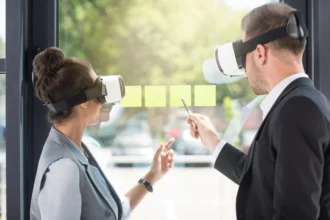
Hybrid and virtual formats allow organizations to reach wider audiences while maintaining personal engagement.
Modern event experiences often include:
- Live streaming sessions
- Interactive digital platforms
- Real-time audience polling and Q&A
- Analytics tools for performance tracking
These tools align with developments frequently discussed in IT industry news, where digital platforms continue to reshape how organizations connect with audiences.
When used thoughtfully, technology enhances interaction rather than replacing the human element of events.
Aligning Events With Business Functions
Events deliver the greatest value when they support multiple departments within an organization.
For example:
- Marketing teams build brand visibility and awareness
- Sales teams develop relationships with prospects and clients
- Leadership teams communicate vision and thought leadership
Event insights can also support HR trends and insights, particularly when events highlight employer branding or talent engagement opportunities.
Meanwhile, finance industry updates often emphasize the importance of efficient budgeting. Successful events focus on delivering measurable impact rather than simply maximizing scale.
This cross-functional alignment ensures events contribute meaningfully to overall business strategy.
Measuring Engagement and Performance
Attendance numbers alone do not define event success.
More meaningful performance indicators include:
- Session participation rates
- Audience engagement during discussions
- Content downloads or resource access
- Post-event follow-up interactions
By analyzing engagement data, businesses can identify which aspects of the event resonated most strongly with participants.
Event marketing fundamentals encourage continuous learning and improvement. Reviewing performance insights helps organizations refine future events and better align them with audience expectations.
Staying Relevant in a Changing Market
Audience expectations evolve rapidly, especially in fast-moving industries.
Staying informed through marketing trends analysis helps businesses adjust event formats, messaging, and technology choices.
Events that address current industry conversations and real-world challenges feel more authentic and valuable to attendees.
This relevance strengthens brand authority and positions the organization as a trusted voice within its field.
Practical Strategies for Successful Events
Organizations can strengthen event outcomes by focusing on several key principles:
- Start with a clearly defined purpose and measurable objectives
- Use audience insights to shape content and experiences
- Maintain consistent storytelling throughout the event journey
- Leverage technology to enhance engagement and accessibility
- Analyze performance data to continuously improve future events
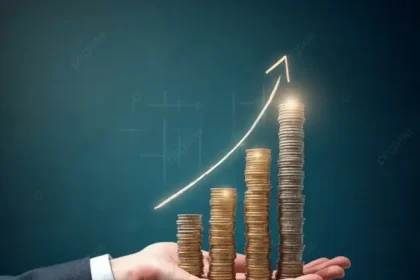
When these fundamentals are applied thoughtfully, events become strategic business assets rather than one-time promotional activities.
Strengthen Your Event Marketing Strategy
Ittrendswire delivers expert perspectives on marketing trends analysis, technology insights, HR trends and insights, finance industry updates, IT industry news, and sales strategies and research.
Connect with Ittrendswire to discover smarter event marketing strategies and build deeper audience engagement that drives long-term business growth.